 agency
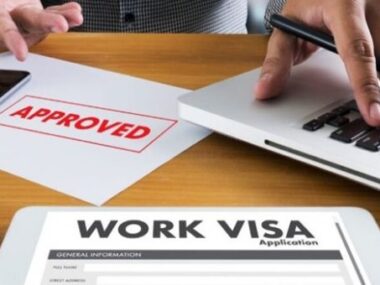
Fake visa sponsorship offers have become one of the most expensive traps for people seeking jobs or migration abroad. Every year, thousands of workers, students, and families lose $1,000 to $10,000 or more to fraudulent agents, fake employers, and online scams promising “guaranteed visas,” “instant sponsorship,” or “government-approved jobs.”
In 2026, the problem is growing, not shrinking. As countries like Canada, United Kingdom, Australia, United States, and parts of Europe increase demand for foreign workers, scammers are exploiting hope, urgency, and lack of information.
This guide explains exactly how fake visa sponsorship scams work, the warning signs most people miss, how real sponsorship actually works, how to verify employers and offers, and the practical steps you must take to protect your money and future.
This is not theory. It is based on how legitimate immigration systems operate and how scams consistently bypass logic.
Why Fake Visa Sponsorship Scams Are So Common
Visa sponsorship sounds complex and intimidating, especially to first-time migrants. Scammers exploit this complexity by positioning themselves as “insiders” who can make the process easy.
Three factors make people vulnerable. First is urgency. Many people are desperate to leave unstable economies or unemployment. Second is information gaps. Immigration systems are not always explained clearly. Third is social proof. Scammers often show fake approvals, testimonials, and screenshots to appear legitimate.
The more popular a destination becomes, the more scams appear around it. Countries with strong work visa demand almost always attract fake sponsorship offers.
How Real Visa Sponsorship Actually Works
Understanding the real process is the strongest defense against scams.
In legitimate systems, visa sponsorship starts with a real employer, not an agent. The employer must be registered, licensed, or approved by the government to hire foreign workers. They issue a formal job offer, then submit sponsorship documents or petitions to immigration authorities.
In many countries, it is illegal for workers to pay sponsorship fees. The employer pays government fees because sponsorship is their responsibility, not the worker’s.
A real sponsorship process includes written contracts, official government reference numbers, verifiable employer details, and direct interaction with immigration systems.
If an offer skips these steps, it is almost certainly fake.
The Most Common Fake Visa Sponsorship Scams
“Guaranteed Visa Sponsorship” Offers
No legitimate employer or government guarantees visa approval. Immigration decisions are made by authorities, not agents.
Any message using phrases like “100% guaranteed,” “no refusal,” or “approved in 2 weeks” is a red flag.
Real employers never promise outcomes they do not control.
Pay-to-Sponsor Job Offers
One of the most common scams involves asking the applicant to pay for sponsorship, “LMIA fees,” “certificate fees,” or “employer processing.”
In countries like Canada and the UK, charging workers for sponsorship is illegal. Employers who ask for payment are either scammers or violating immigration law.
Legitimate employers recover costs through business operations, not from job seekers.
Fake Government-Approved Employer Claims
Scammers often claim to represent “government-approved employers” or “immigration partners.”
They may use government logos, fake approval letters, or forged documents. However, they never provide verifiable registration numbers or official links.
Real government-approved employers can be verified on official government websites.
WhatsApp and Telegram Recruitment
While legitimate recruiters may communicate online, entire recruitment processes conducted only on WhatsApp or Telegram are suspicious.
Scammers prefer messaging apps because they avoid traceability and accountability. They often refuse video calls, office addresses, or official email communication.
Real employers use corporate emails, official job portals, and documented recruitment processes.
Fake Offer Letters and Contracts
Scammers create realistic-looking offer letters with logos, signatures, and stamps.
The problem is not how professional the document looks, but whether the employer actually exists and is authorized to sponsor visas.
A document is meaningless if it cannot be verified through official channels.
Why Victims Often Ignore Red Flags
Many victims later say they “felt something was wrong” but continued anyway.
This happens because of emotional pressure. Scammers create fear of missing out by saying slots are limited or deadlines are closing. They also normalize payment by saying “everyone pays” or “this is how it works.”
Another reason is sunk cost thinking. Once someone pays a small amount, they feel committed and keep paying rather than admitting the loss.
Understanding these psychological tricks helps you stop early.
Countries Most Targeted by Fake Sponsorship Scams
Canada is heavily targeted because of LMIA-based jobs and permanent residence pathways. Fake LMIA offers are among the most common scams.
The UK is targeted through fake Skilled Worker and Health and Care Worker visa offers.
Australia attracts fake employer sponsorship and regional visa scams.
The US is targeted with fake H-1B, green card sponsorship, and lottery-related scams.
European countries like Germany also attract fake job contract scams tied to work visas.
The popularity of a country increases scam activity around it.
How to Verify a Visa Sponsorship Offer Properly
Step 1: Verify the Employer Independently
Never trust links sent by the recruiter alone. Search the employer’s name yourself.
Check whether the company has a real website, physical address, phone number, and online presence beyond social media.
If the employer claims government approval, confirm this on the official immigration website of that country.
Step 2: Confirm Sponsorship Eligibility
Not all employers can sponsor visas. Even real companies may not be authorized sponsors.
In countries like the UK and Australia, sponsor registers are public. If the employer is not listed, they cannot sponsor you.
In Canada, verify whether the employer has a history of LMIA approvals or uses LMIA-exempt programs.
Step 3: Examine the Payment Request
If you are asked to pay for sponsorship, pause immediately.
Ask which law allows the payment and request official documentation. Scammers will become defensive or disappear when questioned.
Legitimate employers explain costs transparently and never demand upfront payments for sponsorship.
Step 4: Check Communication Channels
Professional employers use corporate emails, not free email services.
They schedule interviews, conduct background checks, and provide time to review contracts.
Pressure tactics and rushed decisions are warning signs.
Step 5: Cross-Check with Official Sources
Government immigration websites clearly explain sponsorship rules.
If an agent’s explanation contradicts official guidance, trust the government, not the agent.
The Role of Agents and Recruiters Explained
Not all agents are scammers, but agents are not sponsors.
A legitimate agent may help with job search or documentation, but they cannot issue visas or guarantee sponsorship.
Agents who claim to “have slots,” “sell LMIAs,” or “control approvals” are lying.
In many countries, licensed immigration consultants must be registered and follow strict rules. Unregistered agents are a major risk.
Real-Life Scenarios People Fall For
One common scenario is the “processing fee” scam. The victim is told to pay a small amount to “start the process,” followed by larger fees later.
Another is the “refund later” scam, where payment is framed as temporary but never returned.
Some victims receive fake visas or approval letters that look real until they reach the airport or embassy.
These losses are not just financial; they damage future visa credibility.
Why Fake Sponsorship Can Harm Future Applications
Submitting fake documents or being linked to fraudulent applications can result in long-term bans from certain countries.
Even if you are a victim, immigration authorities may flag your profile.
This makes avoiding scams not just about money, but about protecting your migration future.
Safe Ways to Look for Sponsored Jobs
Apply directly on official employer websites.
Use government-endorsed job portals where available.
Focus on sectors with known shortages and transparent hiring processes.
Be patient. Real sponsorship takes time and documentation.
Avoid shortcuts. There are none in legal migration.
What To Do If You Suspect a Scam
Stop all payments immediately.
Do not send personal documents such as passports or IDs.
Report the scam to local authorities or consumer protection agencies.
Warn others in your community. Many scams succeed because victims stay silent.
Questions People Ask About Fake Visa Sponsorship Offers
Can visa sponsorship really be free
Yes. In many countries, employers legally pay sponsorship fees.
Are all agents fake
No, but agents cannot sell visas or guarantee sponsorship.
Why do scammers ask for small amounts first
To build trust and commitment before asking for more.
Can I recover my money
In most cases, no. Prevention is the only reliable protection.
How long does real sponsorship take
Usually months, not days or weeks.
Key Takeaways
Fake visa sponsorship offers exploit urgency and misinformation, real sponsorship always involves verified employers, paying for sponsorship is often illegal, government-approved employers can be verified independently, and no legitimate process guarantees visa approval.
Conclusion
Avoiding fake visa sponsorship offers is not about being lucky, it is about being informed. In 2026, legitimate work visas exist, but they follow strict rules that scammers cannot replicate. The moment someone asks you to pay for sponsorship, promises guaranteed approval, or discourages verification, you should walk away.
Your money, documents, and future are too valuable to risk on shortcuts that do not exist. When it comes to working abroad, slow, verified, and employer-driven processes are the only safe path forward.


 agency