 agency
Life abroad in 2026 is very different from how it is portrayed online. Social media highlights scenic apartments, weekend travel, and strong currencies, but rarely shows the real costs, cultural adjustments, and financial trade-offs that determine whether living abroad becomes sustainable or stressful. For migrants, students, workers, and families, success abroad is no longer about simply earning more. It is about how far money stretches, how systems treat foreigners, and how well people adapt culturally.
This guide breaks down the true reality of life abroad in 2026, focusing on real monthly costs, cultural shifts people underestimate, income-versus-expense realities, and why some migrants thrive while others quietly return home. This is not fear-based or promotional. It is a grounded, experience-driven picture of what living abroad actually looks like.
What “Life Abroad” Really Means in 2026
Living abroad today is shaped by three forces:
Rising global living costs
Stricter immigration and compliance systems
Greater cultural visibility of foreigners
This means migrants must plan more carefully than in the past. Countries are still open to foreign workers and students, but they expect economic contribution, compliance, and cultural integration.
Life abroad works best when expectations are realistic, not aspirational.
Real Cost of Living Abroad in 2026 (Not Social Media Numbers)
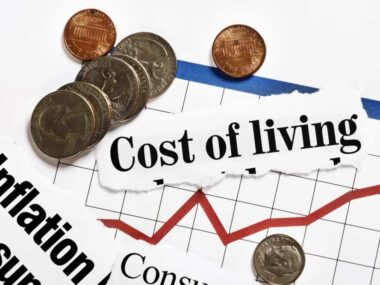
The biggest mistake people make is assuming that earning in dollars, euros, or pounds automatically means financial comfort. In reality, expenses have risen globally, especially housing and utilities.
Housing: The Financial Anchor
Housing remains the largest expense almost everywhere.
In countries such as Canada, United Kingdom, Australia, and Germany, rent alone can consume 35–55% of net income if housing choices are not strategic.
Realistic 2026 monthly rent ranges for a single person:
Shared housing: $500–$1,000
Studio or one-bedroom (non-central): $900–$1,600
Family apartment (2-bedroom): $1,200–$2,200
Migrants who live comfortably usually:
Start with shared housing
Avoid city centers
Accept smaller living spaces
Delay long-term leases
Those who chase lifestyle apartments early often struggle financially.
Utilities, Transport & Food
Utilities are predictable but seasonal. Heating costs in winter-heavy countries can double energy bills. Transport is usually affordable when public systems are used, but expensive if car ownership begins too early.
Food costs depend heavily on diet choices. Migrants who cook local foods save significantly more than those maintaining imported diets.
A realistic monthly breakdown for a single person:
Utilities & internet: $120–$220
Transport: $60–$150
Food: $250–$450
These numbers are consistent across many developed countries.
Healthcare & Insurance Reality
Healthcare is one of the most misunderstood parts of life abroad.
In countries with public healthcare systems, access depends on residency status, not citizenship. Waiting periods are common. Private insurance often fills the gap.
In countries without universal healthcare, employer-paid insurance is essential. Without it, healthcare costs can overwhelm even high earners.
Healthcare does not ruin finances when planned. It does when assumed.
Income vs Reality: Why Many Migrants Feel “Poor” Abroad
Many migrants earn more than they did at home, yet feel financially stuck. This happens when:
Rent scales faster than salary
Taxes and social contributions reduce net pay
Lifestyle inflation creeps in
Savings expectations are unrealistic
A $3,000 monthly salary in a high-cost city can feel tighter than $1,500 in a lower-cost country with subsidies.
Financial comfort abroad comes from cost-to-income balance, not headline salary.
Culture Shock in 2026: What People Still Underestimate
Culture shock has less to do with food or language and more to do with systems, behavior, and social norms.
Workplace Culture Differences
Work cultures abroad are often more structured but less flexible.
Common realities include:
Strict punctuality
Direct communication styles
Limited emotional feedback
Strong boundaries between work and personal life
Some migrants thrive in this clarity. Others find it isolating.
Social Integration Is Slower Than Expected
Making friends abroad is harder in 2026 than many expect. Locals already have established social circles, and adult friendships form slowly.
Migrants who succeed socially usually:
Engage in community activities
Learn basic local language even when English is common
Avoid expat-only bubbles
Accept cultural differences instead of resisting them
Loneliness is one of the most common unspoken challenges of life abroad.
Family Life Abroad Is Structurally Easier in Some Countries
Countries with strong public systems make family life easier regardless of income.
Free public schooling, child benefits, and healthcare support in parts of Europe and Asia reduce pressure significantly compared to countries where families self-fund most services.
This is why some families live better abroad on $2,000 than others do on $4,000.
The Hidden Financial Pressures People Don’t Talk About
Life abroad has expenses that are rarely discussed openly.
Upfront Relocation Costs
Flights, deposits, and insurance create heavy entry costs. Even when monthly budgets work, initial relocation can cost $4,000–$8,000 if not supported by employers or scholarships.
Currency Risk
Migrants earning in local currency but supporting family abroad face exchange-rate pressure. Currency fluctuations can erase expected savings.
Compliance Costs
Visa renewals, translations, certifications, and residency permits cost money and time. These are ongoing, not one-time expenses.
Countries Where Life Abroad Feels Financially Balanced
Some countries consistently offer better cost-to-quality ratios in 2026.
Countries in Southern and Eastern Europe, parts of Southeast Asia, and select Latin American nations offer:
Lower rent
Affordable healthcare
Public services
Reasonable taxation
Countries such as Portugal, Poland, Malaysia, Mexico, and Turkey often feel financially lighter than higher-income nations.
This does not mean opportunities are unlimited, but daily life is less stressful.
Countries Where Life Abroad Is Opportunity-Driven, Not Comfort-Driven
High-income countries such as United States, Canada, United Kingdom, and Australia remain attractive for career growth, PR pathways, and long-term earnings.
However, early years often feel financially tight. Comfort improves after stability, promotions, or permanent residence, not immediately.
The Psychological Side of Life Abroad
Living abroad changes identity.
Migrants often experience:
Loss of social status
Feeling invisible or over-scrutinized
Language-related insecurity
Pressure to succeed publicly
These pressures are normal but rarely discussed. People who accept adjustment periods fare better than those expecting instant belonging.
Who Thrives Abroad in 2026
People who succeed long-term abroad tend to:
Plan finances conservatively
Choose housing strategically
Accept cultural differences
Delay lifestyle upgrades
Build local networks patiently
View migration as a process, not an event
Success abroad is not dramatic. It is gradual and structured.
Who Struggles or Returns Home
People who struggle often:
Overestimate earnings
Underestimate costs
Choose countries for image
Avoid integration
Rely on debt or credit
Ignore mental health strain
Returning home is not failure, but many returns are preventable with realistic planning.
Questions People Ask About Life Abroad in 2026
Is life abroad still worth it
Yes, with correct expectations.
Is it harder than before
Yes, but also more structured.
Can you still save money
Yes, depending on country and lifestyle.
Is culture shock avoidable
No, but it is manageable.
Does everyone become rich abroad
No, stability matters more than wealth.
Key Takeaways
Life abroad in 2026 requires realistic cost planning, housing determines financial comfort, culture matters as much as income, healthcare and compliance costs must be planned, and success depends more on strategy than salary.
Conclusion
Life abroad in 2026 is neither the dream sold online nor the nightmare some warn about. It is structured, demanding, and rewarding for those who prepare properly. Real success abroad comes from understanding costs honestly, respecting cultural differences, and managing expectations.
For migrants who plan strategically, life abroad offers stability, opportunity, and growth. For those chasing only currency symbols or lifestyle images, it often leads to disappointment. The difference is not luck. It is clarity.


 agency